



But What Does Happiness Really Mean for a Child?
If you’ve ever caught yourself saying, “Honestly, I don’t care about anything else—I just want my child to be happy,” you are definitely not alone. Most of us have whispered that exact wish, usually after a long day of worrying about milestones, grades, or whether we’re getting this parenting thing right. It sounds so simple on the surface, doesn’t it? Yet behind those words is everything we hold dear: wanting our kids to feel safe in their own skin, deeply loved, and free to just enjoy being kids.
When we picture a good day for our kids, it usually comes down to the little things: seeing them actually excited to get out of bed in the morning, walking into school with a smile, finding their tribe of friends, and bursting through the front door at the end of the day with a million stories to tell. Above all, we want them to feel comfortable in their own skin—never feeling like they have to change who they are just to fit a mold.
Yet, if we’re being honest with ourselves, it’s so easy to get swept up in the noise. Between exam scores, competitions and the constant, quiet pressure of comparing our kids to everyone else, we rarely pause to ask: What does a genuinely happy day look like through their eyes? Maybe it’s time we step back from the report cards and shiny trophies, and focus on the moments that actually make childhood feel like childhood.
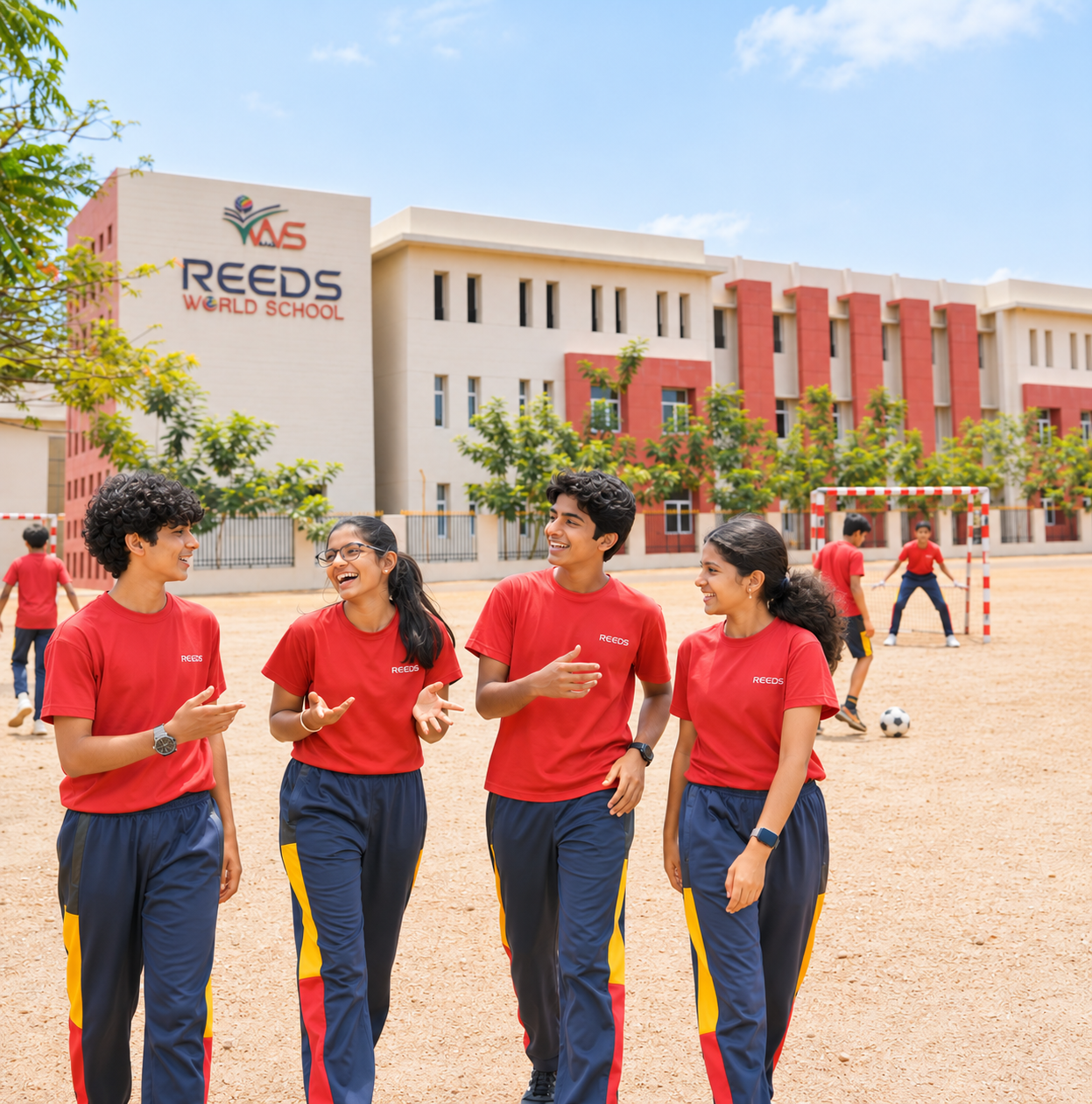
Happiness Is Not About Getting Everything Right:
There’s nothing wrong with celebrating the wins—good grades, team selections, and praise from teachers all build healthy pride. The trap is letting happiness depend on them. A disappointing test score shouldn’t cost a child their sense of security.
Losing a competition shouldn’t stop them from putting themselves out there, and struggling in a subject should never make them feel like a letdown at home or in the classroom. Kids need to learn early on that performance is what they do, not who they are.
When we spotlight their effort, curiosity, and resilience after a setback, we teach them something no trophy ever could: that they are completely enough, even when things don’t go according to plan.
A Happy Child Feels Understood:
Think about all the little clues our kids drop throughout the day. That breathless excitement in their voice when they tell us about a new friend. The quiet frustration when a lesson just isn’t clicking.
The heavy sigh after a fallout with a classmate, or that sudden hesitation when they’re terrified of getting something wrong. As parents, our natural instinct is to swoop in and fix everything right away. But half the time, our kids aren’t looking for a lecture or an instant solution—they just want to know someone is slowing down, tuning in, and truly listening.
Kids who feel heard don’t hide their struggles—they name their feelings, talk through problems early, and actually come to us when things get tough. Building that kind of trust doesn’t require a big sit-down talk; it happens in the five-minute chats on the drive home or over dinner. Instead of leading with “How much did you study?” or “What marks did you get?”, try shifting the spotlight with questions like:
- What was the best part of your day?
- What made you laugh today?
- Was there anything you found tough or frustrating?
- Did you get a chance to help someone—or did someone help you?
- Anything on your mind you want to talk through?
They’re simple swaps, but they tell your child loud and clear that you care about them, not just their scorecard.
School Should Be a Place Children Look Forward To
Our kids spend a massive part of their childhood at school. It’s the real-world space where they discover new interests, build social confidence, learn to collaborate, bounce back from setbacks, and shape their own identities.
When school is reduced to just ticking off lessons and prepping for exams, we miss what matters most. A truly great learning environment gives kids the freedom to ask questions without holding back, mess up without feeling humiliated, explore what sparks their curiosity, and speak up without worrying about getting judged.
For a child, a truly happy school day is built out of small, unforgettable victories—that sudden “aha!” moment when a difficult math problem finally makes sense, sharing lunch and laughter with a friend, participating wholeheartedly in a classroom activity, scoring their first goal, or hearing a few words of encouragement from a teacher who believes in them. None of these moments shows up on a report card, yet they are the very foundation of a child’s confidence and emotional growth.
At Reeds World School, CBSE, Coimbatore, we believe meaningful education begins when we see the child behind the grades. Every day, we strive to give our students the space to explore, express themselves, discover their unique strengths, and nurture a genuine curiosity about the world around them. After all, our goal isn’t simply to prepare children to pass examinations—it is to inspire them to enjoy the journey of learning itself.
Let Children Have the Freedom to Be Children
Let’s be honest—because we love our kids so much and want to give them every possible head start, we can accidentally turn their calendars into a tightrope walk. Between school, homework, tuitions, coaching classes, competitions, and packed weekends, there’s barely a spare minute left for them to just breathe.
Yet childhood needs that unscheduled breathing room. Kids need space to run around, daydream, make up silly games, hang out with friends, and yes—even get a little bored. Those “empty” hours aren’t wasted time at all; that’s actually where creativity, independence, and real problem-solving happen.
When a child builds a fort out of everyday objects, invents a game with friends, sketches an imaginary world, or rambles on about their latest obsession, they’re learning in ways no syllabus can measure. Stepping back to let them explore without us constantly steering the ship helps them figure out what they genuinely love.
Not every child has to be a topper, an athlete, a dancer, and a musician all at once. Sometimes, the greatest gift we can give our kids is the freedom to simply discover who they are.
Why Friendships and Belonging Matter So Much
Ask our kids what their favourite part of school was today, and nine times out of ten, it won’t be a chapter from a textbook. It’ll be the hilarious story their best friend told, a game during recess, a fun group activity, or simply the relief of someone waving them over to join in.
As parents, one of our biggest quiet hopes is knowing our child has “their people”—someone to sit with, someone to play with, and someone who genuinely lights up when they walk into the room. Those early friendships are where kids learn the real-life stuff: how to share, work through a disagreement, respect people who are different from them, and understand how someone else feels.
When both parents and teachers intentionally nurture kindness, empathy, and teamwork, kids stop worrying about fitting in—and feel safe enough to just be themselves and build friendships that truly last.
Letting Our Kids Make Mistakes Without Fear
If we want our kids to grow into confident adults, we have to give them room to try things without guaranteeing a win. Kids who are terrified of making mistakes play small—they keep their hands down in class, avoid unfamiliar activities, and stick strictly to what’s safe.
Mistakes aren’t a sign that something is wrong; they’re just how real learning happens. Getting a question wrong, losing a game, struggling with a new skill, or navigating a rocky friendship all build strength you simply can’t get from smooth sailing.
Next time your child hits a wall, skip the instant correction and ask: “What do you think you could try differently next time?” It’s a small pivot that reframes setbacks as feedback rather than failure. When kids know they have a safety net at home and at school when things go sideways, they build real resilience and the courage to keep stepping up.
Sometimes, Happiness Begins at Home
No matter how enriching a child’s day is outside, home is still their anchor. For busy parents, there’s real relief in remembering what actually leaves a mark: kids rarely remember every toy on the shelf or every expensive weekend trip.
What they carry into adulthood are the unscripted moments—the times we paused everything to sit and listen, family jokes over dinner, bedtime stories, weekend walks, and the certainty that we always showed up. Kids don’t need parents who get every single call right; they need parents who are genuinely present. A few minutes of undivided attention, a real conversation, or a quick hug can anchor an entire day.
Equally important is dropping the expectation that a “happy” child has to be upbeat all the time. Kids have tough days too—they get overwhelmed, angry, sad, disappointed, or just worn out. Instead of brushing uncomfortable emotions aside, helping them talk through what they feel sends a clear message: every feeling is valid, and they never have to navigate hard days alone.
So, What Does It Actually Mean to Raise a Happy Child?
Maybe the answer isn’t nearly as complicated as we make it out to be. At its heart, a happy child is simply one who feels loved without having to earn it, listened to without being judged, and cheered on without constantly being compared to someone else. It’s a child who feels safe enough to raise their hand and ask questions, brave enough to try something brand new, comfortable in their own skin, and backed up when they take a tumble.
As parents, we know we can’t bubble-wrap our kids from every disappointment—and honestly, we shouldn’t try to clear every bump out of their road. What we can do, both around our own dinner tables and alongside a caring school community like Reeds World School, CBSE, Coimbatore, is wrap them in emotional security, steady encouragement, and the everyday opportunities they need to walk out into the world with quiet confidence.
And as educators, we share that responsibility. A school should be a place where children are recognised as individuals, where their efforts are valued, where curiosity is encouraged, and where learning contributes to their overall growth.
At Reeds World School, we share every parent’s deepest hope: that a child’s journey through school is about far more than what they achieve on paper. It is about how they grow, what they discover about themselves, the relationships they nurture, and the person they become along the way.
One day, when our children look back on their school years, we hope they carry forward much more than grades and trophies. We hope they remember the lifelong friendships, the genuine laughter, the quiet encouragement, the small personal victories, and the unmistakable feeling that they belonged. And perhaps, when all is said and done, that is what every parent truly means when they say: “I just want my child to be happy.”
Real Questions from Parents Like You:
Q1: Can a child be happy and still perform well academically?
Absolutely. In fact, emotionally secure and happy children actually learn better. When kids feel supported rather than constantly pressured, their natural curiosity takes over—leading to deeper focus, confidence, and genuine academic growth.
Q2: What should I ask my child after school instead of “What marks did you get?”
Try light, open-ended questions that invite them to share their day, such as “What made you laugh today?”, “What was the best part of your day?”, or “Did you help someone today?” Small shifts like these show your child that you care about them, not just their scorecard.
Q3: How can I encourage my child when they struggle with a subject or lose a competition?
First, remind them that their worth is never tied to a trophy or a test score. Validate their feelings, skip the immediate critique, and ask, “What do you think you could try differently next time?” This turns setbacks into stepping stones and builds lasting resilience.
Q4: Why is unstructured free time so important for growing children?
Unscheduled time to play, imagine, or simply unwind isn’t wasted time—it is where creativity, independence, and real-world problem-solving develop. Giving kids breathing space outside of classes and homework helps them discover what they genuinely enjoy.
Q5: How does Reeds World School, CBSE, Coimbatore foster both happiness and academic excellence?
At Reeds World School, CBSE, Coimbatore, we nurture the whole child beyond report cards. Alongside a strong CBSE curriculum, we provide a welcoming, judgment-free environment where students feel safe to ask questions, build lasting friendships, explore their unique strengths, and genuinely look forward to coming to school every day.